
How Long Do Knives Last? Your Complete 2026 Maintenance Guide
A dull knife is a dangerous knife. Not only will it be more difficult to cut with, but it can also easily slip and cause injury. That’s why it’s essential to know how to sharpen your knives and keep them in good condition.
In this comprehensive 2026 guide, we’ll discuss how long knives last, what factors affect their lifespan, and how you can get the most out of your investment with proper care and maintenance.
How Long Do Knives Last in 2026?
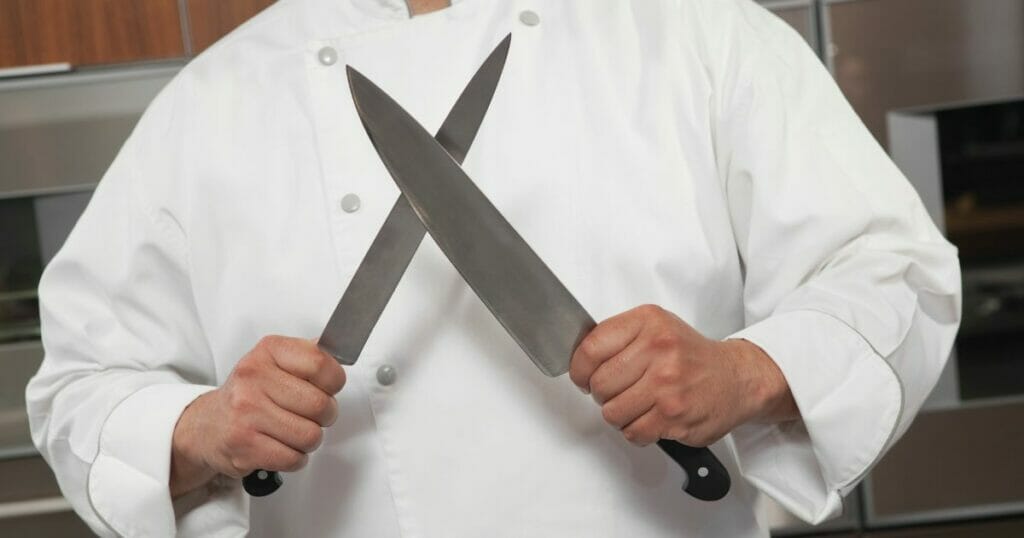
The lifespan of a knife depends on several factors, including the type of knife, how it is used, and how it is cared for. With 2026’s improved steel technology and manufacturing processes, quality knives can last even longer than previous generations.
Expected Lifespans by Quality Level:
- Budget knives ($25-50): 2-5 years with proper care
- Mid-range knives ($50-150): 10-15 years with regular maintenance
- Premium knives ($150-300): 20-30 years with professional care
- Artisan knives ($300+): Lifetime with proper maintenance
Most quality knives manufactured in 2026 will last for several decades with proper care, thanks to advances in steel composition, heat treatment, and manufacturing precision.
Best Long-Lasting Knives for 2026
Best Value for Longevity: Victorinox Fibrox Pro 8-inch
The Victorinox Fibrox Pro offers exceptional longevity at an affordable price point, with commercial-grade construction that can last 10-15 years with proper care.
- High-carbon stainless steel for durability
- Commercial kitchen tested
- Easy to maintain and sharpen
- Slip-resistant handle for safety
Price Range: $45-65
Best Premium Investment: Wüsthof Classic Ikon 8-inch
For maximum longevity, the Wüsthof Classic Ikon represents German engineering at its finest, with a potential lifespan of 25-30 years.
- X50CrMoV15 German steel
- Precision Edge Technology (PEtec)
- Full tang construction
- Lifetime craftsmanship warranty
Price Range: $165-195
Best Japanese Option: Miyabi Mizu SG2 8-inch
Japanese craftsmanship meets modern technology in the Miyabi Mizu SG2, offering exceptional edge retention and a potential 20+ year lifespan.
- SG2 super steel core with Damascus layers
- 63 HRC hardness for superior edge retention
- Traditional Japanese handle
- Exceptional sharpness retention
Price Range: $285-325
How to Make Your Knives Last Longer in 2026

Modern 2026 maintenance techniques can significantly extend knife lifespan with proper care and attention.
Advanced Storage Solutions
Magnetic Knife Strips
2026’s preferred storage method offers optimal blade protection:
- Wall-mounted convenience for easy access
- Excellent ventilation prevents moisture buildup
- No blade contact with other surfaces
- Space-efficient design
Premium Knife Blocks
Modern knife blocks feature improved designs:
- Horizontal slot design prevents edge damage
- Antimicrobial materials for hygiene
- Ventilation features for moisture control
- Adjustable slots for different blade sizes
Professional Washing Techniques
Immediate Post-Use Care:
- Rinse immediately with warm water to prevent acid damage
- Use mild dish soap and soft sponge only
- Clean the entire knife including handle and bolster
- Dry immediately with a clean towel
- Store properly in designated location
Deep Cleaning Protocol:
- Weekly sanitization with diluted bleach solution
- Remove stubborn residue with baking soda paste
- Oil carbon steel blades with food-safe mineral oil
- Inspect for damage during each cleaning
2026 Sharpening Best Practices
Modern Sharpening Schedule:
- Daily honing with ceramic or diamond steel
- Weekly assessment of edge condition
- Monthly sharpening for heavy home use
- Quarterly professional maintenance for premium knives
Recommended Sharpening Tools for 2026:
- King Deluxe 1000 Grit Whetstone – Best value for home use ($45-55)
- Shapton Pro 1000 Grit Stone – Professional quality ($75-85)
- Chef’s Choice 4643 ProntoPro – Electric convenience ($65-75)
- Zwilling Twin Sharp Duo – Premium manual system ($89-99)
Modern Cutting Board Selection
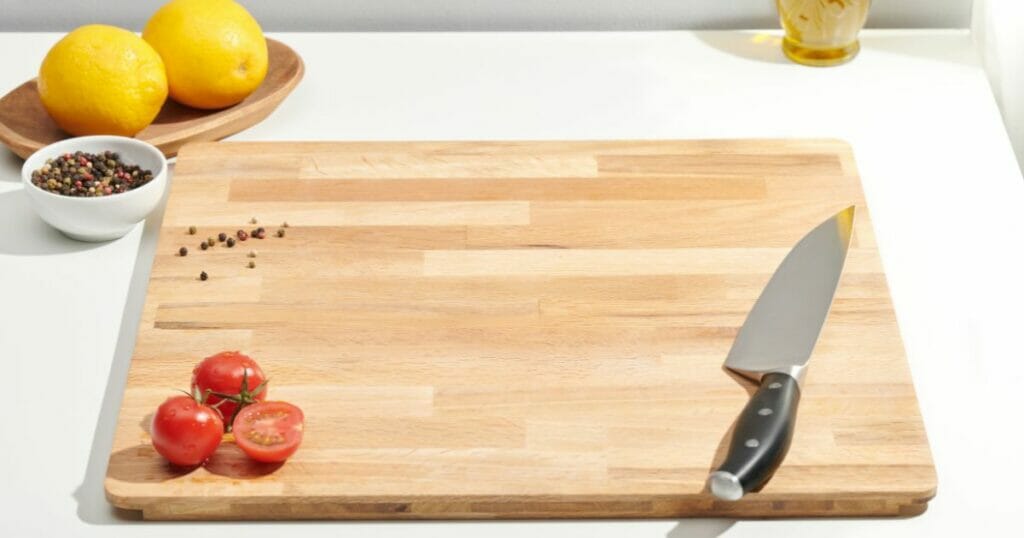
The right cutting surface significantly impacts knife longevity. 2026 cutting board technology offers better knife protection than ever before.
Best Materials for Knife Preservation
End-Grain Hardwood (Best Choice)
- Maple, cherry, or walnut provide ideal cutting surfaces
- Self-healing properties preserve knife edges
- Antimicrobial when properly maintained
- Beautiful and durable
Bamboo Boards (Eco-Friendly Option)
- Sustainable material with natural antimicrobial properties
- Harder than most woods but still knife-friendly
- Affordable and lightweight
- Easy to clean and maintain
High-Quality Plastic (Sanitary Choice)
- NSF-certified materials for commercial use
- Color-coding options prevent cross-contamination
- Dishwasher safe for easy sanitization
- Gentle on knife edges when quality made
Materials to Avoid
- Glass cutting boards – extremely damaging to knife edges
- Stone or granite – will dull knives quickly
- Metal surfaces – can chip or damage blades
- Ceramic boards – too hard for regular use
When to Replace Your Kitchen Knives
Even with excellent care, knives eventually need replacement. Here are the key indicators to watch for in 2026:
Blade Condition Indicators
- Deep chips or nicks that can’t be sharpened out
- Severe blade thinning from repeated sharpening
- Blade flexibility changes indicating metal fatigue
- Persistent dullness despite professional sharpening
- Corrosion or pitting that affects performance
Handle Problems
- Loose rivets or handle separation
- Cracked or damaged handles that harbor bacteria
- Worn grip surfaces that affect safety
- Delaminated materials in composite handles
Safety Concerns
- Any looseness between blade and handle
- Bent or warped blades that affect cutting accuracy
- Sharp edges on handles from wear or damage
- Reduced cutting performance requiring excessive pressure
Knife Replacement Schedule by Use Level
| Use Level | Budget Knives | Mid-Range Knives | Premium Knives |
|---|---|---|---|
| Light Home Use | 3-5 years | 12-15 years | 25-30 years |
| Regular Home Cooking | 2-3 years | 8-12 years | 20-25 years |
| Heavy Home Use | 1-2 years | 5-8 years | 15-20 years |
| Professional Kitchen | 6-12 months | 2-4 years | 8-12 years |
Investment Analysis: Quality vs. Longevity
Cost Per Year Analysis
Budget Knife Example:
- Initial cost: $30
- Lifespan: 3 years
- Cost per year: $10
- Total 20-year cost: $200 (7 replacements)
Premium Knife Example:
- Initial cost: $180
- Lifespan: 25 years
- Cost per year: $7.20
- Total 20-year cost: $180 (no replacements needed)
Conclusion: Premium knives often provide better long-term value despite higher upfront costs.
Essential Maintenance Tools for 2026
Basic Maintenance Kit
- Quality honing steel – Zwilling Twin Sharp ($45-55)
- 1000-grit whetstone – King Deluxe ($45-55)
- Microfiber cleaning cloths – Multiple for different tasks
- Food-safe mineral oil – For carbon steel protection
- Knife guards or sleeves – For safe storage
Advanced Maintenance Arsenal
- Multiple grit whetstones (400, 1000, 6000 grit)
- Leather strop for final edge polishing
- Digital angle guide for consistent sharpening
- Professional sharpening service annually
Professional vs. Home Maintenance
When to Use Professional Services
- Major damage repair – chips, severe dulling
- Blade geometry restoration – after improper sharpening
- Annual maintenance for premium knives
- Handle repairs or modifications
- When you lack confidence in DIY sharpening
DIY Maintenance Tasks
- Daily honing and cleaning
- Regular sharpening with proper tools
- Minor edge touch-ups
- Proper storage and handling
- Routine inspections for wear or damage
Common Mistakes That Reduce Knife Lifespan
Usage Errors
- Cutting on hard surfaces like glass or stone
- Using knives as tools for opening cans or packages
- Cutting frozen foods with regular kitchen knives
- Improper cutting techniques that stress the blade
- Leaving knives dirty after use
Maintenance Mistakes
- Dishwasher cleaning – harsh environment damages knives
- Improper storage in cluttered drawers
- Infrequent sharpening leading to severe dullness
- Using wrong sharpening angles
- Ignoring early damage signs
Climate and Environmental Factors
Humidity Control
Proper climate control extends knife life significantly:
- Ideal humidity: 30-50% for optimal steel preservation
- Use dehumidifiers in high-moisture environments
- Avoid storage near heat sources
- Ensure good kitchen ventilation
Coastal Considerations
Salt air requires extra protection:
- More frequent oiling of carbon steel blades
- Immediate cleaning after use
- Climate-controlled storage when possible
- Regular inspection for corrosion signs
Future-Proofing Your Knife Collection
2026 Trends to Consider
- Advanced steel alloys offering better performance
- Improved handle materials for durability and hygiene
- Smart maintenance reminders via kitchen technology
- Eco-friendly manufacturing processes
Building a Lasting Collection
- Invest in quality over quantity
- Choose versatile knives that serve multiple purposes
- Plan for long-term maintenance costs
- Consider warranty and service options
Conclusion
In 2026, quality knives can last decades with proper care and maintenance. The key to maximizing knife lifespan lies in understanding proper usage, implementing consistent maintenance routines, and recognizing when professional intervention is needed.
While budget knives may seem economical initially, investing in quality knives with proper care often provides better long-term value. The combination of superior materials, better manufacturing, and consistent maintenance can result in knives that serve you faithfully for 20-30 years or more.
Remember that a well-maintained sharp knife is not only longer-lasting but also safer and more enjoyable to use. Implement these 2026 best practices, invest in proper maintenance tools, and your knives will reward you with decades of reliable service.
Whether you choose the budget-friendly Victorinox Fibrox Pro or invest in premium Miyabi or Wüsthof knives, proper care and maintenance will ensure your investment serves you well for years to come.