If you want the best Kershaw knife for everyday carry, this guide ranks the models worth owning and tells you which one fits your hand, your budget, and your pocket. Most people searching for the best Kershaw assisted opening knife are choosing between the Leek, the Blur, and the Cryo, so this guide compares all three, along with the newer Launch, Link, and Iridium, using manufacturer specifications, independent tests and owner reports to sort the marketing from the metal.
Kershaw sits in a rare spot. It is affordable enough that you will not cry if you lose one, but well made enough that a good example will outlast the phone in your other pocket. That combination is why the brand shows up in so many first-knife recommendations, and why it still earns a place with people who own far more expensive steel.
Kershaw Knives Compared at a Glance
Here is the short version. These are the eight Kershaw folders we recommend most, with the specs that actually change how the knife performs. Blade lengths are approximate and steel choices vary by production run, so treat these as the working ranges rather than absolutes.
| Model | Blade Steel | Blade Length | Opening Mechanism | Best For | Verdict |
|---|---|---|---|---|---|
| Leek | 14C28N (or D2 composite) | 3.0 in | SpeedSafe assisted, flipper and thumb stud | Slim office and daily carry | The classic. Best all-round pick. |
| Blur | 14C28N (S30V on upgraded runs) | 3.4 in | SpeedSafe assisted, thumb stud | Grip security and hard use | Best for larger hands and gloves. |
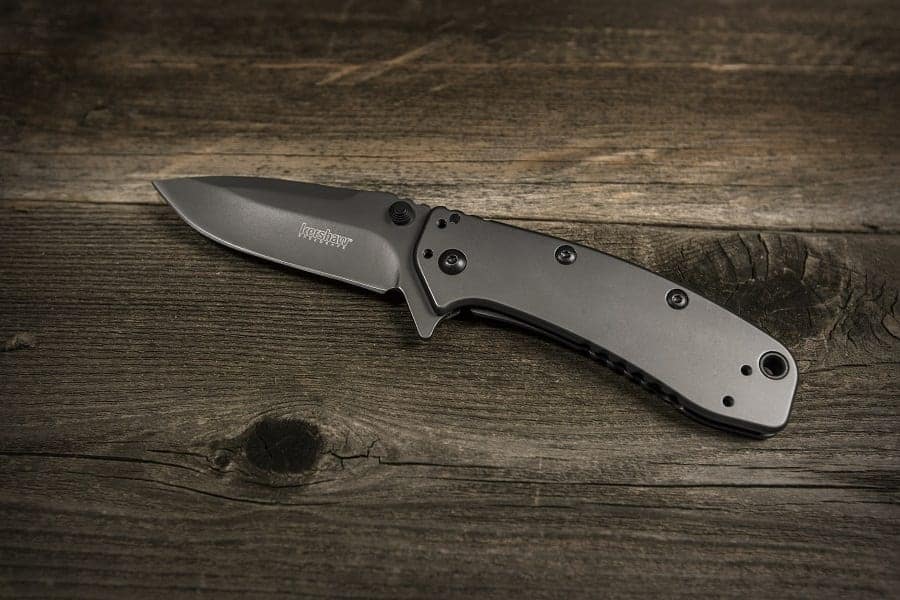
| Cryo (and Cryo II) | 8Cr13MoV | 2.75 to 3.25 in | SpeedSafe assisted, flipper | Budget all-steel toughness | Heavy for its size, nearly indestructible. |
| Link | 420HC or 14C28N | 3.25 in | SpeedSafe assisted, flipper | USA-made value carry | Underrated. Light, fast, made in USA. |
| Launch series | CPM-154 or Bohler M390 | 3.0 to 3.75 in | Automatic, push-button | Fast deployment, premium feel | The step up. Check local auto laws. |
| Iridium | D2 | 3.4 in | DuraLock crossbar, manual flipper | Modern one-hand flipping | Best current design if you skip SpeedSafe. |
| Shuffle | 8Cr13MoV | 2.4 in | Manual, thumb stud | Keychain and light tasks | Tiny multitool folder, great value. |
| Bareknuckle | 14C28N (or CPM-20CV) | 3.5 in | SpeedSafe assisted, thumb stud | Everyday work knife | Sub-frame lock done right. |
Kershaw Leek: The One Most People Should Buy
The Leek is the knife we recommend when people ask where to start. It is slim, light, and disappears in a pocket, and the assisted opening is quick without being aggressive. The blade is a modified drop point that slices well above its price. At three inches it is legal to carry in most places, and the narrow profile means it does not print or tug at your pants.
What the Leek does best is get out of the way. It is a gentleman’s folder that happens to be tough enough for real tasks. The frame lock is solid, and the tip-lock slider adds a second safety so the blade will not creep open in a bag. That slider is small and fiddly with gloves, which is the main knock against it.
- Pros: Slim and light, fast SpeedSafe action, excellent slicer, wide legal carry range, made in USA.
- Cons: Fine tip is easy to snap if you pry, tip-lock slider is small, thin handle offers less grip for heavy work.
- Who it is for: First-time buyers, office carry, anyone who wants a low-profile knife they will actually carry every day.
Kershaw Blur: For Bigger Hands and Harder Work
The Blur is the pick for days when you will be cutting more than envelopes. The handle is anodized aluminum with Trac-Tec inserts, which are grippy rubber strips that hold even when your hands are wet or cold. The blade is longer and thicker than the Leek, so it takes rougher treatment without complaint.
The S30V versions are worth hunting for if you want better edge retention, though the standard 14C28N steel sharpens easily and holds a working edge fine. This is a knife you can glove up and use hard. The trade-off is bulk: the Blur is not a knife that hides. It rides high on the clip and you will know it is there.
- Pros: Superb grip in all conditions, robust blade, ambidextrous thumb studs, reversible clip, upgraded steel options exist.
- Cons: Bulky for light EDC, aluminum handle can feel cold, standard steel is only average.
- Who it is for: Larger hands, outdoor and jobsite use, anyone who wants grip security over slimness.
Kershaw Cryo: All-Steel Toughness on a Budget
The Cryo, designed by Rick Hinderer, is built entirely of stainless steel, frame and all. That makes it heavy for its size, but it also makes it feel like a much more expensive knife. The flipper deployment is snappy, and the framelock is rock solid. If you are hard on gear and do not want to baby a knife, this is the one.
The steel is 8Cr13MoV, which is the honest budget-tier trade-off: it sharpens in minutes but dulls faster than the pricier options. For a knife at this price, that is a fair deal. The Cryo II is the larger version if the original feels too small in your hand.
- Pros: Extremely tough all-steel build, satisfying flipper action, premium feel for the money, deep-carry friendly.
- Cons: Heavy for its blade length, budget steel needs frequent touch-ups, steel handle gets slick when wet.
- Who it is for: Rough users, people who want a beater knife, anyone who values durability over weight.
Kershaw Link: The Underrated USA-Made Pick
The Link does not get the attention the Leek and Blur do, and that is a shame. It is made in the USA, it is light thanks to an aluminum or GFN handle depending on the version, and the flipper action is one of the best in Kershaw’s assisted lineup. The blade shape is a practical drop point that handles most everyday cutting without fuss.
If you want a Kershaw that feels a step above the imports but does not cost much more, the Link is the quiet answer. The 14C28N versions in particular hit a sweet spot of price, steel quality, and country of origin.
- Pros: Made in USA, fast and smooth flipper, lightweight, good steel for the price, comfortable full-size grip.
- Cons: Less refined finish than premium lines, clip is not deep-carry, styling is plain.
- Who it is for: Value hunters who want USA-made steel and a full-size handle without paying premium prices.
Kershaw Launch Series: The Automatic Step Up
The Launch series is Kershaw’s automatic line, and it is where the brand shows what it can do when it stops chasing a price point. These are push-button autos that snap open hard and lock up tight. Steel runs from CPM-154 up to Bohler M390 on the premium models, so edge retention is a different conversation entirely here.
Automatics are not legal everywhere, so check your local and state laws before buying. Where they are legal, a Launch is the most satisfying Kershaw you can own. The fit and finish jumps several tiers over the assisted models, and the deployment is genuinely useful when one hand is full.
- Pros: Fast automatic deployment, premium steel options, excellent fit and finish, wide range of sizes and styles.
- Cons: Automatic knives are restricted in many areas, higher price, more mechanism to eventually service.
- Who it is for: Buyers in auto-legal areas who want Kershaw’s best build quality and fastest deployment.
Kershaw Iridium: The Modern Crossbar Flipper
The Iridium is Kershaw’s answer to the crossbar-lock trend, using their DuraLock system instead of SpeedSafe. It is a manual flipper, not assisted, so the blade drops open on bearings with a flick rather than a spring. Purists who dislike assisted openers will like this one. The D2 steel holds an edge longer than the budget stainless in the cheaper models.
The crossbar lock is fully ambidextrous and lets you close the blade without putting fingers in its path, which is a real safety and convenience upgrade. If you are shopping for the best current Kershaw design and do not specifically need the assist, the Iridium is my pick.
- Pros: Smooth manual flipper on bearings, ambidextrous DuraLock crossbar, D2 steel, modern ergonomics, great value.
- Cons: Not assisted, so not for SpeedSafe fans, D2 can spot with rust if neglected, larger footprint.
- Who it is for: Flipper fans who want a modern crossbar lock and prefer manual action over assisted.
Why Kershaw, and What the Jargon Actually Means
Kershaw earns its reputation two ways. The imported models deliver more knife per dollar than almost anyone, and the USA-made lines compete with brands that cost twice as much. The company also owns Zero Tolerance, its high-end sister brand, and design and manufacturing knowledge flows downhill. That is why a sixty-dollar Kershaw often feels tighter and better finished than it has any right to.
SpeedSafe Assisted Opening Explained
SpeedSafe is Kershaw’s assisted opening system, and it is the reason most people search for the best Kershaw assisted opening knife in the first place. You start the blade moving with a flipper tab or thumb stud, and a torsion bar takes over and snaps it the rest of the way open. It is not an automatic. Nothing happens until you push the blade past a certain point, which is what keeps it legal in most places where autos are not.
The practical benefit is one-handed opening that is fast and consistent. The trade-off is a slightly stiffer initial push than a plain manual flipper, and a spring that can wear over years of heavy use. For most people the assist is a feature they use every single day and never think about again.
Steel Tiers, From Budget to Premium
Steel is where knives earn or lose their edge, so it is worth knowing roughly where each grade sits.
- Budget stainless (8Cr13MoV): Found on the Cryo and Shuffle. Sharpens in minutes, dulls faster, resists rust well. Perfectly fine for a beater.
- Mid-tier stainless (14C28N, 420HC): The workhorse of the Kershaw lineup. Sandvik 14C28N in particular takes a keen edge, holds it reasonably, and is easy to bring back. This is the sweet spot for most buyers.
- Tool steel (D2): Used on the Iridium and some Leek runs. Holds an edge longer than the stainless grades but can spot with rust if you ignore it. A little maintenance goes a long way.
- Premium powder steel (S30V, CPM-154, M390, 20CV): Found on upgraded Blurs, the Launch line, and special editions. Long edge retention and excellent corrosion resistance, harder to sharpen at home but worth it if you cut all day.
The honest takeaway is that most people are well served by 14C28N. Premium steel matters if you cut abrasive material for hours or hate sharpening. Otherwise it is a nice-to-have, not a need. For a deeper breakdown, see our knife steel guide.
How We Evaluate Kershaw Knives
Every knife in this guide was assessed against the same criteria, using manufacturer specifications, independent tests and owner reports. Here is what we look at, in order of how much it matters day to day.
- Deployment: Does the blade open reliably one-handed, every time, without a stutter or a dead spot? A knife that hesitates is a knife you stop trusting.
- Lockup: We look for owner and independent reports of blade play in any direction and of the lock disengaging under grip pressure. A wandering lock is a dealbreaker at any price.
- Edge out of the box and after use: We look at how owners report the edge holding up on cardboard, cord, and packaging, and how easily it comes back on a stone.
- Ergonomics: How the handle fills the hand, how the clip carries, whether hot spots show up during extended cutting. This is where the Blur and Leek separate by hand size.
- Value: What you get for the money against the rest of the market. Kershaw usually wins here, which is the whole point of the brand.
Where owners and independent reviewers have taken a model apart, we note what they report about the internals. If a knife needs babying to perform, that goes in the cons. If it just works, we say so plainly. For the wider category, our best EDC knife and best pocket knife roundups apply the same process across other brands.
Frequently Asked Questions
Are Kershaw knives good quality?
Yes, and consistently so. Kershaw delivers tight tolerances, reliable locks, and solid steel at prices well below what the build quality suggests. The USA-made lines like the Leek, Link, and Launch compete directly with brands that cost more. You are not paying for a name here, you are paying for a working knife.
What is the best Kershaw assisted opening knife?
For most people it is the Leek. It is slim, fast, legal to carry in most places, and made in the USA. If you have larger hands or work harder, the Blur is the better assisted pick. Both use the SpeedSafe system, so the choice comes down to size and grip rather than the mechanism itself.
Is SpeedSafe the same as an automatic knife?
No. An automatic opens the instant you press a button. SpeedSafe does nothing until you manually push the blade past a threshold with a flipper or thumb stud, at which point the spring finishes the motion. That distinction is what keeps assisted openers legal in many places where automatics are restricted. See our best assisted opening knife guide for the full comparison.
Which Kershaw steel is best?
It depends on your use. For most buyers 14C28N is the sweet spot: keen edge, easy sharpening, good rust resistance. If you cut abrasive material all day or hate sharpening, hunt for premium steel like S30V or M390 on the upgraded Blurs and the Launch line. Budget 8Cr13MoV on the Cryo is fine for a knife you will not baby.
Are Kershaw knives made in the USA?
Some are, some are not. The Leek, Link, Launch, and several others are made in Kershaw’s Oregon facility. Value models like the Cryo and Shuffle are made overseas to hit their price points. Both are well made, but if USA manufacturing matters to you, the label and product page will tell you which is which.
How do I keep a Kershaw blade sharp?
Strop it often and it will rarely need a full sharpening. When it does dull, a simple fixed-angle system or a set of stones will bring the stainless grades back quickly. D2 and the premium powder steels take longer to sharpen but hold their edge far longer, so you do it less often. Keep the pivot clean and lightly oiled and the assist will stay crisp for years.
The Bottom Line
If you want one Kershaw and you want to stop reading, buy the Leek. It is the knife that fits the most hands, the most pockets, and the most laws, and it does everything a daily carry knife should. Step up to the Blur if you have bigger hands or work harder, drop to the Cryo if you want a tough beater on a budget, and look at the Iridium or a Launch if you want Kershaw’s best modern design. Every one of them earns its place, which is exactly why the brand has lasted.
About this guide
Steel Snob Editorial
Researched from manufacturer specifications, independent tests and owner reports, and edited for accuracy by the Steel Snob team.