
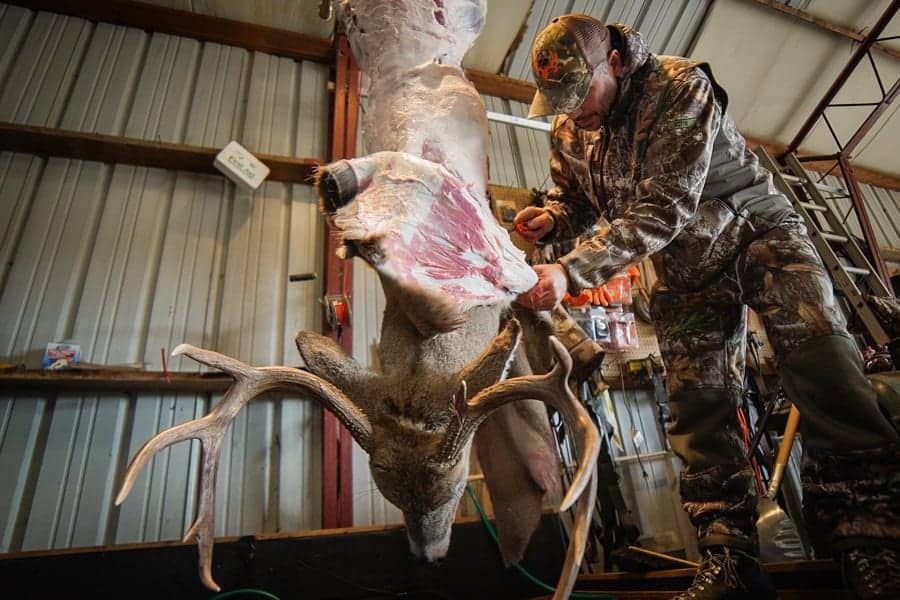
How To Skin a Deer – Hunter’s Advice: Complete Guide for Field Processing Success
Perhaps you’ve been hunting all your life, or it’s your first time out. Whatever the case, it’s time to learn how to skin a deer properly and efficiently.
While many people will simply take their game to a butcher, it is a good idea to know how to skin a deer yourself. This essential hunting skill can save you money, ensure proper handling of your harvest, and give you complete control over the meat processing.
There are several compelling reasons why knowing how to skin a deer is crucial for any serious hunter. First of all, some butchers will not touch wild game, and others won’t process them without the animal being deboned first.
Second of all, you may be hunting in a very isolated area, a few hours away from any town or city. If this is the case, there will be a certain window in which you can skin the deer. Otherwise, the meat might go bad.
Additionally, learning to process your own game connects you more deeply with the hunting tradition, ensures the highest quality meat handling, and can be a rewarding skill that lasts a lifetime.
If you have no idea what you are doing, don’t worry. This comprehensive guide will cover everything you need to know about skinning a deer, from field dressing to final processing.
Let’s get started with this essential hunting skill.
What To Do After Hunting a Deer
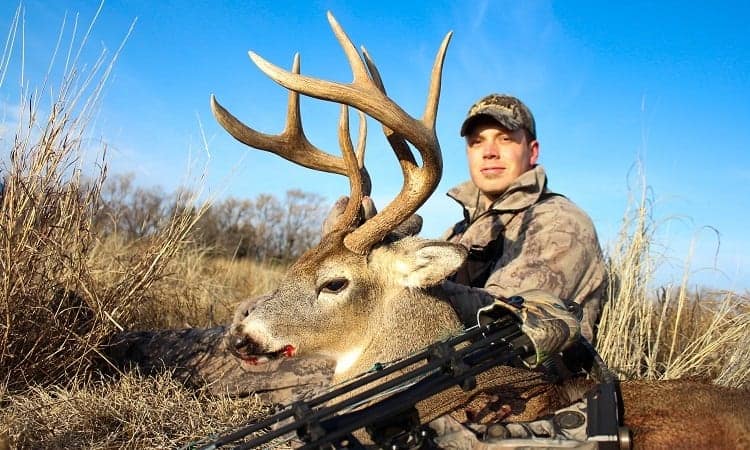
So, you’ve shot a deer. Now what? The immediate actions you take after a successful hunt are crucial for meat quality and safety. These steps should be completed systematically and efficiently to ensure the best possible outcome.
There are several essential steps that you should carry out after shooting a deer. Each step is important for food safety, meat quality, and proper field processing. Let’s take a detailed look at each phase:
Immediate Post-Hunt Protocol
- Ensure that the deer is dead. While this may sound obvious, this is a very important safety step. It is rare, but there have been cases of deer getting back up after being shot and injuring or even killing the hunter. Before handling the deer, check for signs of death such as open and fixed eyes, lack of chest and ear movement, and lack of active reflexes. If in doubt, approach from behind and touch the eye with a stick – no reaction confirms the animal is deceased.
- Tag the deer immediately. Most states require you to tag your harvest as soon as possible. Check your local hunting regulations for specific requirements regarding tagging timeframes and procedures.
- Begin cooling process. Start thinking about temperature control immediately. Hot weather can spoil meat quickly, so getting the deer cooled down is your top priority.
Field Dressing: The Critical First Step
- Field dressing. The next thing you should do is remove the vital organs of the animal. You should do this as soon as you can, even before transporting. Removing the vital organs will decrease the animal’s body heat substantially and prevent bacteria from growing. To do this, you will need a sharp knife. There are many field dressing kits you can also purchase.
- Choose the right knife. A quality hunting knife with a 4-6 inch blade works best for field dressing. The blade should be sharp enough to make clean cuts without tearing.
- Work systematically. Start at the pelvis and work toward the rib cage. Make shallow cuts to avoid puncturing internal organs, which can contaminate the meat.
Transportation and Initial Processing
- Transport the deer to your destination. Now that you have removed its vital organs, it is time to transport the deer. An ideal way to transport the deer is to put it on a trailer and tow it. However, depending on where you are in the woods, this may not be possible. Oftentimes, you will have to drag the deer to your truck. If you have to do this, make sure to lay a tarp down and put the deer on the tarp to drag it. Doing so will prevent dirt from getting on the animal.
- Keep the carcass clean. Use game bags or cheesecloth to protect the meat from flies and debris during transport. Proper protection during transport significantly affects final meat quality.
- Monitor temperature. If temperatures are warm (above 40°F), you have a limited window for processing. Consider using ice or portable cooling solutions for longer transport times.
Hanging and Aging Preparation
- Hang the deer. After you have transported the deer to your destination, you will need to hang it. Hanging the deer will drain the rest of the blood from the body and allow for proper aging if desired. While some people will rinse the deer with water at this stage, try to avoid doing so since the moisture could increase the chance of bacteria growing. If you want to rinse it, blot the deer with a cloth to remove most of the water.
- Choose optimal hanging location. Select a cool, well-ventilated area away from direct sunlight. Ideal temperature for aging is between 32-40°F with good air circulation.
- Cut the deer. After the blood drains, you can skin and cut the deer. Make sure to put the meat in the freezer right away to avoid contamination.
Equipment and Tools Needed for Skinning a Deer
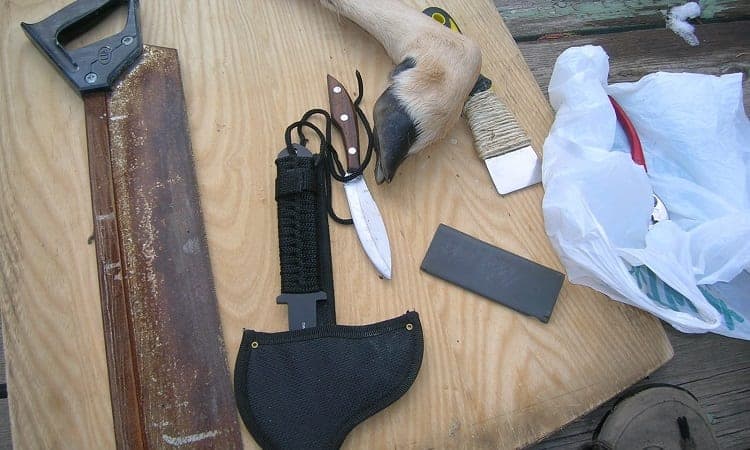
Before you learn how to skin a deer, it will be helpful to have all of the correct equipment you need for the process. Having the right tools not only makes the job easier but also ensures better results and safer working conditions.
Here are the essential tools you’ll need for skinning a deer:
Essential Skinning Tools
- Latex or nitrile gloves – While these are technically optional, this process will be very messy. Wear gloves to protect your hands from bacteria and make cleanup easier. Disposable gloves also prevent the transfer of scents that could affect future hunting.
- Skinning knife – A specialized skinning knife with a 3-4 inch curved blade works best. The curve follows the natural contours of the animal and makes separation easier.
- Fillet knife – A thin, flexible fillet knife can be excellent for detail work around joints and difficult areas.
- Butcher knife or cleaver – Useful for cutting through joints and bones when necessary.
Hanging and Processing Equipment
- Hanging device – You can use a rope, chain, or commercial game hoist to hang the carcass. A proper hoist makes the job much easier and safer.
- Gambrel or spreader bar – This tool keeps the deer’s legs spread apart for easier working access.
- Sharp hooks or meat hooks – Essential for proper hanging and positioning of the carcass.
Safety and Cleaning Supplies
- Fresh water – Make sure you have plenty of fresh, clean water on hand while skinning the deer. A garden hose works well for larger rinses.
- Clean cloths or paper towels – For drying the carcass and cleaning your hands and tools throughout the process.
- Large bin or containers – You will need a large bin or some sort of container to put the organs and waste in. Multiple containers help keep different waste separated.
- Knife sharpening steel or stone – Keep your knives sharp throughout the process. A dull knife is dangerous and makes the job much harder.
Additional Helpful Tools
- Bone saw or reciprocating saw – You will need a high-quality saw on hand for cutting through bones when necessary. A bone saw or reciprocating saw would work well.
- Elastic bands or butcher’s string – Useful for tying off sections and securing loose parts during processing.
- Cutting boards – Clean, large cutting boards provide stable surfaces for detailed knife work.
- Coolers with ice – Essential for keeping processed meat cold immediately after cutting.
It is worth noting that there are a few different ways to skin a deer, and some methods require specific tools. However, if you have all of these tools on hand, you will have no problem getting the job done efficiently and safely.
Consider investing in a complete game processing kit if you plan to process multiple deer each season. These kits often include everything you need in one convenient package.
How To Hang a Deer Properly
Before you skin the deer, you will need to hang it properly. The hanging method you choose can significantly affect the final meat quality, ease of processing, and overall results.
There are three main ways to hang a deer: through the Achilles tendon (hind legs), through the neck, or with the tenderstretch method. Each method has specific advantages and is suited to different situations and preferences.
While there are benefits to all three methods, it will depend on your personal preference, available equipment, and intended aging period.
The Achilles Method (Traditional Hanging)
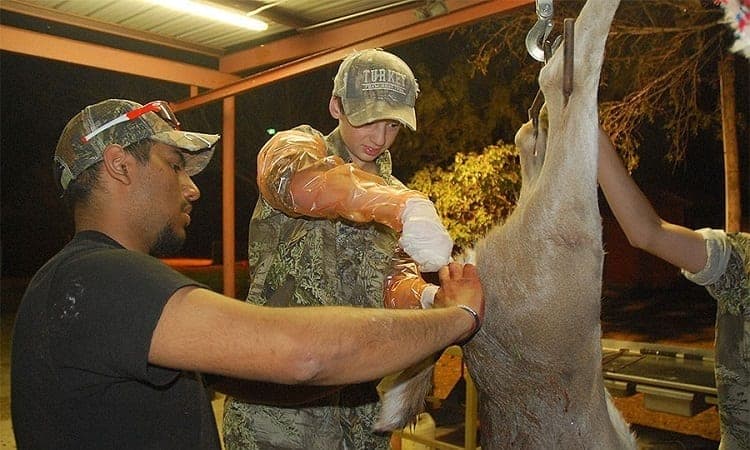
This traditional method involves putting the meat hook through the rear heels via the Achilles tendons. This is probably the most common method used by hunters and processors.
Advantages of the Achilles Method:
- Most stable hanging position
- Easiest access to the belly for skinning
- Good drainage of blood and fluids
- Familiar method for most hunters
Disadvantages:
- May result in slightly tougher meat due to muscle tension
- Gravity can cause increased muscle tension during rigor mortis
- Can be difficult to access the back and shoulders
While many hunters use this method, some research suggests it may result in tougher meat. The reason for this is gravity. When you hang the animal by its heels, gravity will lead to increased muscle tension. The carcass will undergo rigor mortis (the stiffening of muscles) in a stretched position, which can affect tenderness.
The Tenderstretch Method (Professional Hanging)
Many professional butcher shops and meat processors often use the tenderstretch method. This technique is designed to optimize meat tenderness through proper positioning during rigor mortis.
To hang a deer with this method, you will take the hook and insert it under the pelvic hip bone, specifically through the aitch bone (pelvic bone).
If you do this correctly, the legs will hang at approximately a 90-degree angle to the body. This angle will prevent the major muscle groups from tightening during rigor mortis and will increase the tenderness of the meat.
Benefits of Tenderstretch:
- Improved meat tenderness
- Reduced muscle tension during rigor mortis
- Better for aging the carcass
- Preferred by commercial processors
Considerations:
- Requires proper hook placement knowledge
- May be less stable than traditional hanging
- Might require different skinning approach
Through the Neck Method (Head-Up Hanging)
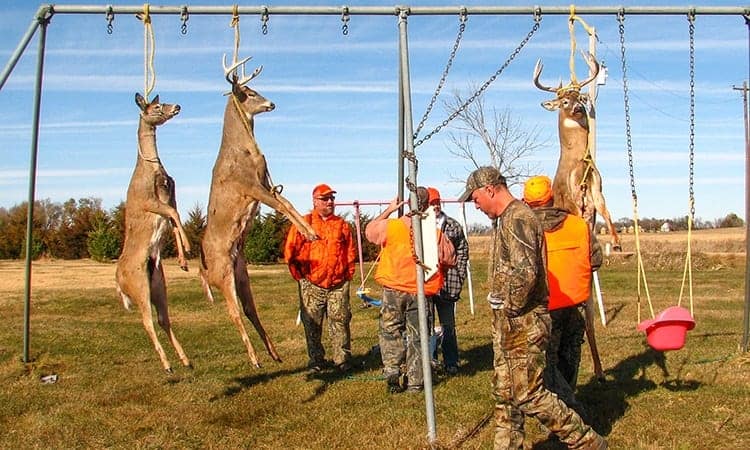
The majority of people who hang carcasses by the neck do so if the animal is decapitated, or when space limitations make other methods impractical.
If you want to use this method, insert your hook in the chest on top of the rib cage, or use the neck itself as the hanging point. Inserting the hook in the chest will not stretch the valuable loins and hams.
If the head is still on the deer, simply tie a rope around the neck to hang it. Make sure the rope is secure and won’t slip during the skinning process.
When to Use Neck Hanging:
- Limited ceiling height
- When the deer has been decapitated
- Temporary hanging situations
- When other hanging points are damaged
Limitations:
- Less stable than other methods
- More difficult access for skinning
- Not ideal for aging
- May require additional support
Step-by-Step Guide to Skinning a Deer
Now that we know what tools we need and how to hang a deer properly, it’s time to learn the detailed process of skinning a deer. This systematic approach will help ensure the best results while maintaining safety throughout the process.
While this process may be a bit overwhelming for beginners, you will be fine if you follow these detailed steps carefully. Take your time, especially on your first few attempts, and focus on making clean, careful cuts.
One important note is that it is possible to skin a deer on the ground, but it will be much easier, cleaner, and more efficient to skin it while hanging. The hanging position provides better access and leverage for the skinning process.
Step One: Preparation and Initial Cuts
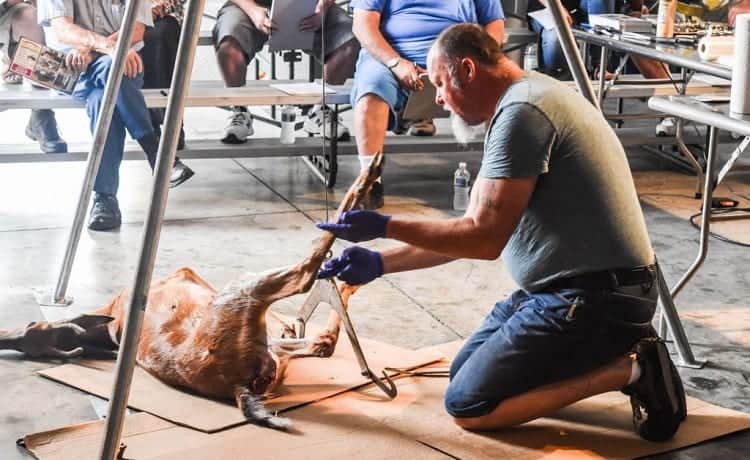
Hang the Deer and Final Field Dressing
Choose your preferred hanging method and secure the deer properly. Ensure the hanging system can support the full weight of the animal safely.
If you haven’t completed field dressing, now is the time to finish removing all internal organs. Use a sharp gutting knife for this process.
Make Initial Incisions
To start the field dressing process:
- Grab the skin near the breastbone and pull it taut
- Make an incision down the belly to the pelvic bone using shallow, controlled cuts
- Insert two fingers behind the blade into the body cavity to guide your cuts
- Hold the skin up and cut, starting from the sternum and ending at the crotch
Complete Organ Removal
- Cut around the anus of the animal and separate it carefully
- Pull the intestines into the body cavity and tie off with elastic band to prevent waste leakage
- Open the chest cavity by cutting through the diaphragm
- Remove the windpipe and esophagus by cutting at the base of the neck
- Starting from the pelvic area, remove all entrails by cutting the membranes that attach organs to the spine
Step Two: Carcass Cleaning and Preparation
Waste Disposal
Now you have removed all internal organs and waste materials. Dispose of the waste properly according to local regulations and environmental best practices.
The best way to get rid of organic waste is typically to:
- Bury it deep in the ground (at least 3 feet deep)
- Place it far from water sources
- Follow local hunting regulations for disposal
- Consider composting in appropriate situations
Carcass Cleaning
- Rinse the deer carcass thoroughly with fresh, cold water
- Remove any remaining stomach contents, blood clots, or debris
- Pay special attention to the body cavity, ensuring it’s completely clean
- Use a clean cloth to pat the carcass dry
- Allow the deer to drain and cool before beginning the skinning process
After dealing with the waste, rinse the deer carcass with fresh water. If you see any extra stomach contents, remove them carefully. After you rinse the carcass, dry the water with a clean cloth to prevent the growth of bacteria. Let the deer sit to drain the remaining blood and chill until you are ready to skin it.
Step Three: The Skinning Process
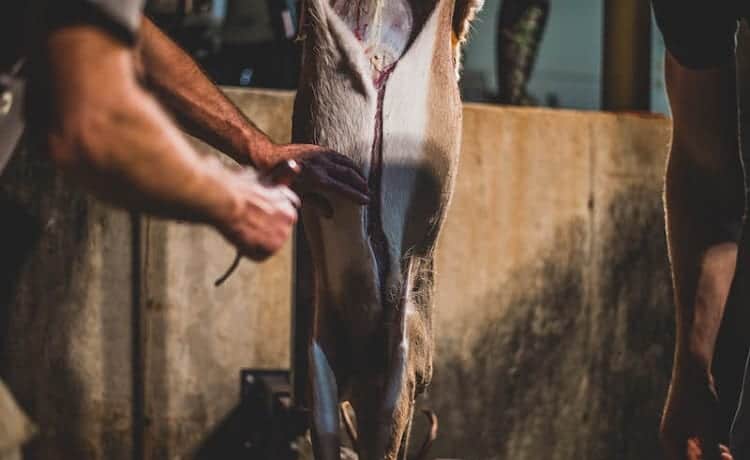
The goal of proper skinning is to remove the hide in one complete piece while preserving as much meat as possible. This requires patience, the right technique, and sharp tools.
Initial Skinning Cuts
- Make leg incisions: Take your sharp skinning knife and cut around the legs at the knee joints (for front legs) and hock joints (for rear legs)
- Create connecting cuts: Make incisions up the inside of each leg, connecting to the belly opening from field dressing
- Score around the neck: If you plan to remove the head, make a circular cut around the neck where you want to separate it
- Start the separation: Begin working the hide away from the carcass at the leg joints
Hide Removal Technique
- Start at the hooves: Begin pulling the skin off near the hooves, working your way toward the body. Start from the joints near the elbow and hock areas for best results.
- Use proper leverage: Pull slowly and steadily while using your knife to separate the skin from the muscle. The skin should come off relatively easily if your cuts are correct.
- Work systematically: As you gather enough skin to grip properly, roll the hair side inwards and continue tugging the skin downwards toward the head.
- Navigate difficult areas: When you reach the shoulders and other muscular areas, you will need to use your knife more frequently to cut the skin away from the meat.
- Maintain tension: Keep steady pressure on the hide while using your knife to separate stubborn areas where the skin adheres tightly to the muscle.
Final Steps
- Complete the removal: Continue working the hide down until you reach the neck area
- Remove the head: Use your saw to remove the animal’s head at the desired point, typically at the base of the skull or at the neck joint
- Final cleaning: Rinse the completed carcass with clean, cold water to remove any hair, debris, or blood
- Dry thoroughly: Pat dry with clean cloths to prevent bacterial growth
- Cool immediately: Get the processed carcass into a cool environment (below 40°F) as quickly as possible
Advanced Skinning Tips and Techniques
Professional Techniques
Experienced hunters and processors use several advanced techniques to improve efficiency and meat quality:
The “Fisting” Method
Once you have enough loose skin, you can often use your fist to separate large areas of hide from the carcass without using a knife. This technique is faster and reduces the risk of cutting into the meat.
Temperature Management
Work in cooler temperatures when possible. Cold conditions make the hide easier to remove and help preserve meat quality during processing.
Tool Maintenance
Keep your knives razor-sharp throughout the process. Stop frequently to hone your blades using a sharpening steel or stone. A sharp knife makes cleaner cuts and is much safer to use.
Common Mistakes to Avoid
- Rushing the process: Take your time, especially when learning. Mistakes are costly in terms of wasted meat.
- Using dull knives: Dull blades require more pressure and are more likely to slip, causing injury or meat damage.
- Cutting too deep: Always err on the side of leaving meat on the carcass rather than cutting into it.
- Poor sanitation: Keep everything clean to prevent contamination and off-flavors in the meat.
- Ignoring temperature: Warm conditions lead to bacterial growth and spoilage.
Meat Processing After Skinning
Once you’ve successfully skinned your deer, the work isn’t over. Proper processing of the meat is crucial for food safety and quality.
Aging the Meat (Optional)
If conditions allow, you may want to age the venison for improved tenderness and flavor:
- Temperature requirements: 32-38°F with good air circulation
- Duration: 3-14 days depending on conditions and preferences
- Monitoring: Check daily for any signs of spoilage
- Protection: Use cheesecloth or game bags to protect from insects
Butchering and Packaging
After aging (if desired), you’ll need to cut the meat into usable portions:
- Plan your cuts: Decide what cuts you want (steaks, roasts, ground meat, etc.)
- Use proper tools: Sharp knives, bone saws, and cutting boards are essential
- Package correctly: Vacuum sealing or proper wrapping prevents freezer burn
- Label everything: Date and cut type for easy identification later
- Freeze quickly: Get packages into the freezer as soon as possible
Food Safety Considerations
Always prioritize food safety throughout the entire process:
- Maintain proper temperatures throughout processing
- Use clean tools and work surfaces
- Avoid cross-contamination
- Follow local health department guidelines
- When in doubt, discard questionable meat
Frequently Asked Questions
How long can you wait to skin a deer after killing it?
In ideal conditions (temperatures below 40°F), you can wait up to 24-48 hours after field dressing. In warm weather (above 50°F), you should skin the deer within 4-6 hours to prevent spoilage. The key is keeping the carcass cool and clean.
Should you skin a deer right away or let it hang?
It depends on the temperature and your goals. In cool weather (32-40°F), you can hang the deer with skin on for aging. In warm weather, skin immediately after field dressing to prevent spoilage. The skin acts as protection but can also trap heat.
What is the easiest way to skin a deer?
The easiest method is hanging the deer by the hind legs and starting the skinning process at the hocks. Make circular cuts around the legs, then pull the hide down like removing a sock. Use a sharp skinning knife to separate stubborn areas.
Do you have to gut a deer before skinning?
Yes, you should always field dress (gut) a deer before skinning. Removing the internal organs quickly prevents bacterial growth, reduces body temperature, and makes the skinning process much easier and cleaner.
How do you skin a deer without getting hair on the meat?
Keep the hide’s hair side turned inward as you peel it away from the carcass. Make clean cuts that don’t go through the hide, rinse the carcass frequently, and use a clean workspace. Sharp knives help make precise cuts that avoid cutting through hair.
What knife is best for skinning deer?
A skinning knife with a 3-4 inch curved blade is ideal for deer skinning. The curve follows the animal’s contours naturally. A sharp fillet knife can also work well for detail work around joints and difficult areas.
Can you skin a deer on the ground?
Yes, you can skin a deer on the ground, but it’s much more difficult and less sanitary than hanging. If you must skin on the ground, use a large tarp, have a helper, and be extra careful about keeping the meat clean from dirt and debris.
How long does it take to skin a deer?
For an experienced hunter, skinning a deer takes 15-30 minutes. Beginners should expect 45-60 minutes for their first few attempts. Taking your time ensures better results and reduces the risk of accidents or meat damage.
Related Hunting and Processing Articles
For more information about hunting, field processing, and knife skills, check out these related guides:
- Ultimate Guide to Knife Sharpening – Keep your hunting and skinning knives razor-sharp
- What Are Boning Knives Used For? – Learn about specialized knives for meat processing
- The Best Fillet Knife for 2022 – Flexible knives perfect for detailed game processing
- 9 Popular Knife Handle Materials – Choose the right grip for hunting conditions
- How To Sharpen A Knife With A Rod – Maintain sharp edges in the field
Conclusion
We hope that this comprehensive guide has helped you learn how to skin a deer properly and safely. Mastering this essential hunting skill connects you more deeply with the hunting tradition and ensures you get the highest quality meat from your harvest.
The process doesn’t have to be as intimidating as it initially seems. With the right preparation, tools, and technique, even beginners can successfully process their own deer.
Before you start, make sure you gather all of the equipment you might need. These essential tools include latex gloves, a sharp skinning knife, hanging device, fresh water, large bins for waste, a saw, elastic bands, and proper safety equipment.
Remember that the key steps are: hanging the deer properly, completing field dressing if not already done, making the initial cuts around the legs and connecting them to the belly, then systematically removing the hide while keeping it clean and intact.
The first step is hanging the deer using your preferred method – whether that’s the traditional Achilles method, the tenderstretch method for improved meat quality, or through the neck if space is limited. Then complete field dressing if necessary.
After those initial steps, you can dispose of waste properly and rinse the carcass clean. Then make precise incisions near the hooves and up to the belly area. After making these cuts, you can systematically skin the deer by pulling the hide away while using your knife to separate stubborn areas.
Throughout the entire process, prioritize food safety, tool maintenance, and proper sanitation. Take your time, especially when learning, and don’t hesitate to seek help from experienced hunters or processors.
With practice, you’ll develop the skills and confidence to process your own game efficiently and safely. This valuable ability will serve you well throughout your hunting career and ensure you get the most from every successful hunt.
Remember that proper field care and processing is just as important as a good shot. The care you take in handling your harvest directly impacts the quality of meat on your table.
Sources and Additional Resources
- Hunter Education – Field Dressing Guide
- NRA – How to Field Dress a Deer
- Outdoor Life – Deer Skinning Guide
- University of Missouri Extension – Game Processing
- CDC – Wildlife and Food Safety