
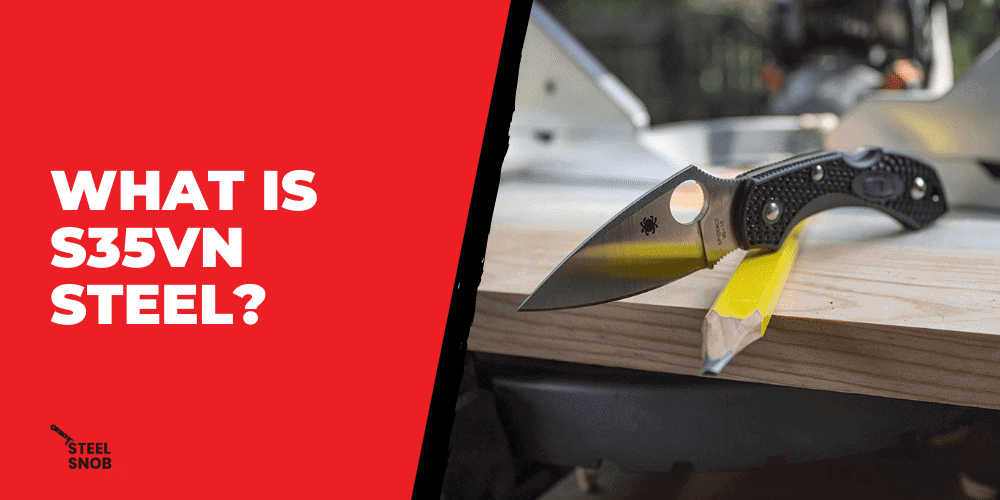
VG10 Steel at a Glance
| Property | Rating |
|---|---|
| Hardness (HRC) | 60-62 |
| Edge Retention | 7/10 |
| Toughness | 5/10 |
| Corrosion Resistance | 8/10 |
| Ease of Sharpening | 6/10 |
VG10 steel is one of the most recognized and widely used Japanese stainless steels in the knife industry. Manufactured by Takefu Special Steel in Fukui Prefecture, Japan, VG10 (which stands for V Gold 10) has earned a sterling reputation among knife enthusiasts, professional chefs, and outdoor adventurers alike. This cobalt-enriched stainless steel delivers an impressive combination of hardness, edge retention, and corrosion resistance that makes it a favorite for both kitchen and EDC (everyday carry) applications.
In this comprehensive 2026 guide, we’ll dive deep into VG10’s chemical composition, performance characteristics, real-world applications, and how it stacks up against other popular knife steels like S30V, AUS-8, and N690.
What is VG10 Steel?
VG10 is a high-carbon stainless steel produced exclusively by Takefu Special Steel Co., Ltd. in Japan. The “V” stands for “V Gold,” a designation used by Takefu for their line of premium cutlery steels, while “10” indicates it’s the top grade in the series. VG10 was originally developed for the Japanese cutlery market, but its exceptional qualities have made it a global standard for premium knives.
What sets VG10 apart from many other stainless steels is its inclusion of cobalt in the alloy formula. Cobalt enhances the steel’s ability to be hardened while maintaining a fine grain structure, which translates to a keener cutting edge and better edge stability over time. This is why VG10 is often chosen as the core steel in Damascus-pattern laminated blades — it provides the cutting performance while softer outer layers add toughness and visual appeal.
Chemical Composition of VG10 Steel
Understanding VG10’s chemical makeup helps explain why it performs the way it does. Here’s a breakdown of the key alloying elements:
| Element | Percentage | Role |
|---|---|---|
| Carbon (C) | 0.95-1.05% | Increases hardness and edge retention. VG10’s high carbon content is a major contributor to its excellent cutting performance. |
| Chromium (Cr) | 14.50-15.50% | Provides corrosion resistance. With over 13% chromium, VG10 qualifies as true stainless steel and resists rust effectively. |
| Cobalt (Co) | 1.30-1.50% | Strengthens the steel matrix and allows for higher hardness. This is VG10’s signature element that sets it apart from competitors. |
| Molybdenum (Mo) | 0.90-1.20% | Improves hardenability and strength at high temperatures. Also enhances corrosion resistance. |
| Vanadium (V) | 0.10-0.30% | Forms hard vanadium carbides that improve wear resistance and edge retention. Also refines grain structure. |
| Manganese (Mn) | 0.50% | Improves strength and hardenability during heat treatment. |
| Silicon (Si) | 0.60% | Acts as a deoxidizer and increases strength. |
VG10 Steel Performance Breakdown
Hardness and Edge Retention
VG10 typically achieves a Rockwell hardness of 60-62 HRC when properly heat treated. This is firmly in the “premium” range for knife steels and notably harder than budget options like 420HC steel (55-58 HRC) or AUS-8 steel (57-59 HRC).
At this hardness level, VG10 delivers excellent edge retention. You can expect a well-made VG10 knife to hold a working edge through extended cutting sessions — whether you’re breaking down proteins in the kitchen or processing wood in the field. The cobalt content helps maintain edge stability even at these higher hardness levels.
In CATRA edge retention testing and real-world cutting tests conducted by the knife community, VG10 consistently scores in the upper-middle tier — not quite reaching the levels of supersteels like M390 or S30V, but significantly outperforming budget steels.
Toughness
Here’s where VG10 shows its main limitation. With a toughness rating of 5/10, it’s not the ideal choice for heavy-duty tasks that involve lateral stress, prying, or batoning. The higher hardness means VG10 blades can chip if used improperly — especially when cutting into hard materials like bone or frozen food at aggressive angles.
This is why many Japanese knife makers use VG10 as a core steel sandwiched between layers of softer steel (known as san-mai or laminated construction). The softer outer layers absorb impact while the VG10 core maintains a razor-sharp cutting edge. Steels like 5160 or 52100 are much tougher choices if impact resistance is your priority.
Corrosion Resistance
With 14.5-15.5% chromium content, VG10 offers excellent corrosion resistance — it’s a true stainless steel. You can use VG10 knives in wet kitchen environments, clean them after use, and not worry about rust spots appearing overnight. This makes it significantly more convenient than carbon steels like 1095 or 52100, which require constant maintenance.
That said, VG10 is not completely immune to corrosion. Prolonged exposure to acidic foods (tomatoes, citrus), saltwater, or leaving the blade wet for extended periods can still cause discoloration or pitting. Basic care — rinsing and drying after use — is all that’s needed to keep VG10 blades in pristine condition.
Ease of Sharpening
VG10 rates at 6/10 for ease of sharpening, which places it in the moderate range. It’s significantly easier to sharpen than hard supersteels like M390 or S30V (which require diamond or ceramic abrasives and considerable patience), but it does take more effort than softer steels like AUS-8 or 420HC.
A quality whetstone in the 1000-3000 grit range will bring a VG10 blade back to shaving sharpness without much difficulty. Japanese water stones are particularly well-suited for VG10, which makes sense given the steel’s Japanese origins. The steel responds well to stropping for maintenance between full sharpening sessions.
What is VG10 Steel Used For?
VG10’s balanced performance profile makes it versatile across multiple knife categories:
- Japanese Kitchen Knives: This is VG10’s home turf. Brands like Shun, Miyabi, and Tojiro use VG10 extensively in their gyuto, santoku, and nakiri knives. The steel takes a keen edge perfect for precise vegetable work and protein slicing.
- EDC Folding Knives: Several knife makers use VG10 in their folders. The corrosion resistance makes it ideal for pocket carry where the blade may be exposed to moisture.
- Outdoor and Hunting Knives: VG10’s rust resistance and good edge retention make it suitable for field dressing and camp kitchen duties, though its lower toughness means it’s not ideal for heavy batoning.
- Damascus Pattern Blades: VG10 is the most popular core steel for Damascus-pattern kitchen knives. It’s frequently layered with softer stainless steels to create stunning visual patterns without sacrificing cutting performance.
Best Knives in VG10 Steel
If you’re looking to experience VG10 steel firsthand, here are three excellent options across different use cases:
1. Shun Classic 8-Inch Chef’s Knife
The Shun Classic is perhaps the most iconic VG10 knife on the market. It features a VG10 cutting core clad in 34 layers of Damascus stainless steel, creating both stunning aesthetics and outstanding cutting performance. The D-shaped pakkawood handle provides a comfortable, secure grip for extended kitchen sessions. At 60-61 HRC, it delivers precise cuts with excellent edge retention.
Check Price on Amazon
2. Spyderco Delica 4 Lightweight
The Delica 4 is a legendary EDC folder that has been a staple in the knife community for decades. The VG10 blade steel offers excellent corrosion resistance for everyday pocket carry, while the FRN handle keeps weight under 2.5 ounces. The Spyderco Round Hole™ opening mechanism allows for smooth, one-handed deployment. This is the perfect way to experience VG10 in a folding knife format.
Check Price on Amazon
3. Tojiro DP Gyuto 210mm Chef’s Knife
The Tojiro DP is widely regarded as one of the best value VG10 knives available. It offers a full VG10 core with a 3-layer laminated construction at a fraction of the price of comparable Shun or Miyabi offerings. The blade is thin and laser-like, making it excellent for push-cutting and precise work. Professional chefs and home cooks alike praise this knife for punching well above its price point.
Check Price on Amazon
How VG10 Compares to Other Knife Steels
VG10 vs S30V
S30V is an American-made powder metallurgy steel that generally outperforms VG10 in edge retention (8/10 vs 7/10) thanks to its higher vanadium carbide content. However, VG10 has a slight edge in corrosion resistance (8/10 vs 7/10) and is notably easier to sharpen (6/10 vs 4/10). S30V is typically found in premium EDC folders from brands like Benchmade and Spyderco, while VG10 dominates the Japanese kitchen knife segment. For kitchen use, VG10 is often the better choice; for EDC folders, S30V tends to win out.
VG10 vs AUS-8
AUS-8 is another Japanese steel that sits below VG10 in the performance hierarchy. AUS-8 is softer (57-59 HRC), has lower edge retention (5/10), but is tougher (6/10) and much easier to sharpen (8/10). AUS-8 is the better choice if you want a knife that’s easy to maintain and don’t mind sharpening more frequently. VG10 is the upgrade pick when you want longer edge holding and don’t mind a bit more effort at the sharpening stone.
VG10 vs N690
N690 is an Austrian steel from Bohler-Uddeholm that performs very similarly to VG10. Both steels share comparable hardness ranges (58-62 HRC), excellent corrosion resistance, and similar chemical profiles with cobalt additions. N690 is slightly easier to sharpen (7/10 vs 6/10) and has marginally less edge retention. The choice between these two often comes down to knife maker preference — Japanese brands favor VG10, while European makers tend to use N690. For more details, check our 440C vs VG-10 comparison.
VG10 Steel: Pros and Cons
Pros
- Excellent edge retention for a stainless steel
- Outstanding corrosion resistance — true stainless
- Takes a very keen, razor-sharp edge
- Widely available across many knife brands and price points
- Ideal core steel for Damascus-clad blades
- Proven track record spanning decades
Cons
- Can be chippy — not ideal for heavy-duty or impact tasks
- Moderately difficult to sharpen compared to softer steels
- Outperformed in edge retention by newer supersteels like M390
- Somewhat brittle at thin edge geometries
- Higher cost than budget steels like 420HC
Heat Treatment and VG10 Performance
Like all knife steels, VG10’s performance is heavily dependent on proper heat treatment. The typical heat treatment process for VG10 involves:
- Austenitizing: Heating the steel to approximately 1050-1070°C (1920-1960°F) to dissolve carbides into the steel matrix.
- Quenching: Rapid cooling (typically in oil or air) to form martensite — the hard crystal structure that gives the steel its cutting ability.
- Tempering: Reheating to 150-200°C (300-390°F) to relieve internal stress and optimize the balance between hardness and toughness.
- Cryogenic Treatment (optional): Some manufacturers use sub-zero treatment to convert retained austenite, further improving hardness and edge stability.
Reputable brands like Shun and Spyderco have optimized their VG10 heat treatment over years of production, consistently delivering blades in the 60-62 HRC range. Be cautious with budget VG10 knives from unknown manufacturers — poor heat treatment can result in blades that are either too soft (poor edge retention) or too hard (chip-prone).
VG10 in 2026: Is It Still Relevant?
With the rise of modern supersteels like MagnaCut, Magnacut, and CPM-S45VN, some have questioned whether VG10 is still a top-tier choice. The answer is a definitive yes — but with context.
VG10 remains the gold standard for Japanese kitchen knives and an excellent option for EDC folders. While it can’t match the extreme edge retention of M390 or the toughness+corrosion combo of MagnaCut, it offers something those steels often don’t: widespread availability at reasonable prices and proven consistency from dozens of established manufacturers.
For kitchen use in particular, VG10’s combination of sharpness, corrosion resistance, and relatively easy maintenance makes it nearly unbeatable in its price range. The steel takes a finer, more acute edge than many competitors, which is exactly what precision kitchen work demands.
Caring for VG10 Steel Knives
To get the most out of your VG10 blade:
- Hand wash only — never put VG10 knives in the dishwasher. The harsh detergents and jostling can damage both the blade and handle.
- Dry immediately after washing to prevent water spots and potential corrosion.
- Use proper cutting surfaces — wood or soft plastic cutting boards are ideal. Glass, ceramic, or stone cutting boards will rapidly dull any knife.
- Strop regularly — a leather strop with compound will maintain the edge between full sharpening sessions.
- Sharpen with Japanese water stones — 1000/3000/6000 grit progression works beautifully with VG10.
- Store properly — use a magnetic knife strip, blade guard, or knife block. Avoid tossing knives loose in a drawer.
Explore More Knife Steels
Understanding different knife steels helps you make better purchasing decisions. Check out our in-depth guides on other popular steels:
- What is S35VN Steel? — America’s most popular premium EDC steel
- What is S30V Steel? — The gold standard for American-made folders
- What is M390 Steel? — One of the best supersteels available
- What is D2 Steel? — The versatile semi-stainless workhorse
- What is N690 Steel? — VG10’s European counterpart
- What is AUS-8 Steel? — Japan’s reliable budget option
- What is 52100 Steel? — Premium carbon steel for knife purists
- What is 5160 Steel? — The toughest steel for large blades
- What is 1095 Steel? — Classic high-carbon for survival knives
- What is 420HC Steel? — Budget stainless that punches above its weight
- What is Damascus Steel? — The art and science of layered steel
You might also be interested in our steel comparison guides:
- S30V vs S35VN Steel Comparison
- MagnaCut vs M390 Comparison
- D2 vs S30V Comparison
- 440C vs VG-10 Comparison
- Best Knife Steel 2026 – Ultimate Guide
Is VG10 good for knives?
Is VG10 stainless steel?
What is VG10 steel equivalent to?
Is VG10 better than S30V?
How do you sharpen VG10 steel?
About this guide
Steel Snob Editorial
Researched from manufacturer specifications, independent tests and owner reports, and edited for accuracy by the Steel Snob team.